

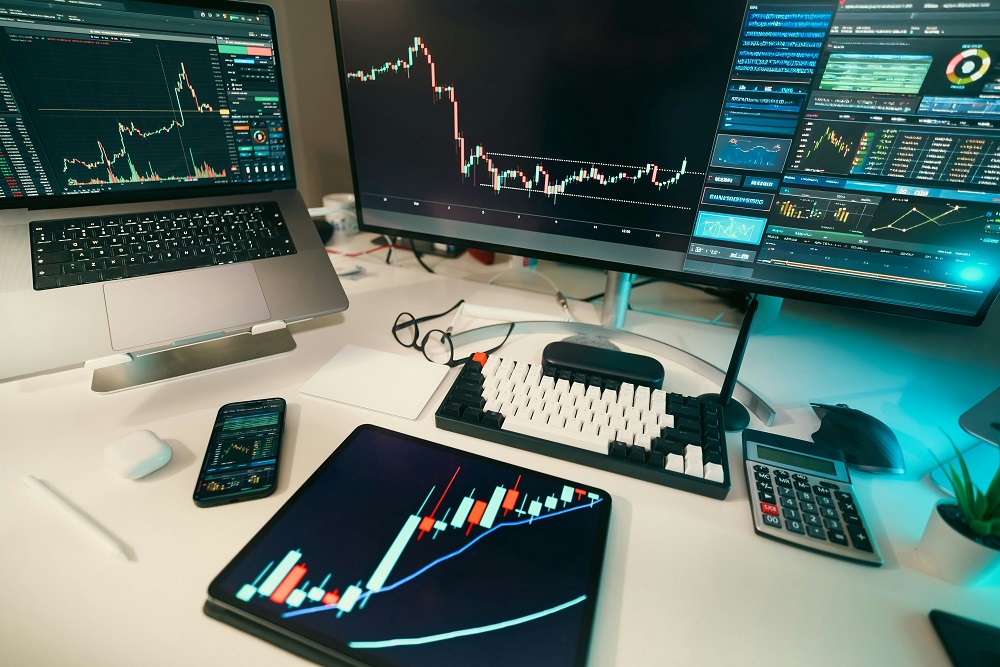
Trading is the structured activity of buying and selling financial instruments such as stocks, currencies, commodities, or digital assets with the goal of generating profit from price movements. Unlike long-term investing, trading usually focuses on short- to medium-term opportunities and requires discipline, planning, and strong risk awareness.
A well-informed trader relies on analysis, strategy, and emotional control rather than speculation or impulse decisions. This article explains the fundamentals of trading, key strategies, tools, and risk management techniques that help traders operate responsibly in financial markets.
What Is Trading
Trading involves the exchange of financial instruments between participants in organized markets or electronic platforms. Traders aim to benefit from price fluctuations by entering and exiting positions strategically.
Commonly traded assets include:
- Stocks
- Forex currency pairs
- Commodities such as gold and crude oil
- Indices
- Cryptocurrencies
- Bonds and derivatives
Traders typically operate on shorter time horizons compared to investors, ranging from minutes to weeks.
Types of Trading Styles
Different trading styles suit different personalities, schedules, and risk tolerance levels.
Day Trading
Day traders open and close positions within the same trading session. They avoid overnight exposure and rely heavily on short-term price patterns.
Key characteristics:
- High frequency of trades
- Requires constant monitoring
- Relies on technical indicators
- Needs strong discipline
Swing Trading
Swing traders hold positions for several days or weeks to capture medium-term price movements.
Advantages:
- Less time intensive than day trading
- Suitable for part-time traders
- Combines technical and fundamental analysis
Position Trading
Position traders hold trades for weeks or months based on broader market trends.
Suitable for traders who:
- Prefer lower trade frequency
- Focus on macroeconomic factors
- Avoid constant screen monitoring
Scalping
Scalping involves very short-term trades lasting seconds or minutes.
Typical features:
- Many small trades per session
- Requires fast execution
- Focuses on tiny price movements
Financial Markets Where Trading Happens
Understanding market structure helps traders choose appropriate opportunities.
Stock Market
Stocks represent ownership shares in companies. Traders profit from price movements caused by earnings reports, economic conditions, and market sentiment.
Forex Market
The foreign exchange market is the largest financial market globally. Traders speculate on currency pair movements influenced by interest rates, inflation, and geopolitical events.
Commodity Market
Commodities include raw materials such as oil, metals, and agricultural products. Prices depend on supply-demand balance and global economic trends.
Cryptocurrency Market
Crypto markets operate continuously and are known for high volatility. Traders often use technical analysis extensively in this environment.
Essential Tools Used by Traders
Successful trading depends on the effective use of analytical tools.
Important tools include:
- Candlestick charts
- Moving averages
- Relative Strength Index
- Support and resistance levels
- Volume indicators
- Trend lines
These tools help traders identify entry and exit points with greater clarity.
Trading Strategies That Work in Different Conditions
A strategy provides structure and consistency to decision-making.
Trend Following Strategy
Traders identify market direction and enter positions aligned with the prevailing trend.
Example approach:
- Buy during uptrends
- Sell during downtrends
- Use moving averages to confirm direction
Breakout Strategy
Breakout traders enter trades when price moves beyond key support or resistance levels.
Benefits include:
- Capturing strong momentum
- Early entry into new trends
Reversal Strategy
This strategy identifies potential turning points where trends may change direction.
Traders typically rely on:
- Overbought and oversold signals
- Divergence indicators
- Support and resistance zones
Range Trading Strategy
Range traders operate within price boundaries when markets move sideways.
They:
- Buy near support
- Sell near resistance
Importance of Risk Management in Trading
Risk management determines long-term survival in trading.
Core principles include:
- Never risking large portions of capital on a single trade
- Using stop-loss orders
- Maintaining favorable risk-to-reward ratios
- Avoiding emotional decisions
- Diversifying trading positions
Many experienced traders risk only a small percentage of capital per trade.
Role of Trading Psychology
Psychology influences performance as much as technical skill.
Common psychological challenges include:
- Fear of losses
- Overconfidence after profits
- Revenge trading
- Impulsive entries
Strong traders follow predefined rules rather than reacting emotionally to market movements.
How Beginners Can Start Trading Safely
New traders benefit from structured preparation before entering live markets.
Recommended steps:
- Learn basic market concepts
- Practice on demo accounts
- Develop a trading plan
- Start with small capital
- Track performance in a trading journal
Consistent learning improves decision-making over time.
Common Mistakes Traders Should Avoid
Avoiding frequent beginner errors increases long-term success probability.
Typical mistakes include:
- Trading without a strategy
- Ignoring stop-loss placement
- Overtrading
- Risking too much capital
- Following market rumors instead of analysis
Discipline helps prevent these problems.
Frequently Asked Questions
What is the difference between trading and investing
Trading focuses on short-term price movements, while investing aims at long-term wealth growth through holding assets over extended periods.
How much capital is needed to start trading
Capital requirements vary depending on the market and strategy, but beginners often start with small amounts to gain experience safely.
Is trading suitable for beginners
Yes, beginners can start trading after learning basic concepts and practicing using demo accounts before committing real money.
Which market is best for new traders
Many beginners prefer stock markets or forex markets because of educational resources and accessible platforms.
How long does it take to become a consistent trader
Consistency depends on learning effort, discipline, and experience. Many traders require several months or years of practice.
Can trading be done part time
Yes, swing trading and position trading are suitable for individuals who cannot monitor markets throughout the day.
What is the most important skill in trading
Risk management is often considered the most critical skill because it protects capital and ensures long-term participation in markets.